Transform Your Body: Nutrition Tips for Aging Women

As women age, their bodies undergo significant changes that can affect overall health, energy levels, and physical appearance. Nutrition plays a crucial role in managing these changes and maintaining a healthy lifestyle. This blog post will explore essential nutrition tips tailored specifically for aging women, helping you transform your body and enhance your well-being.
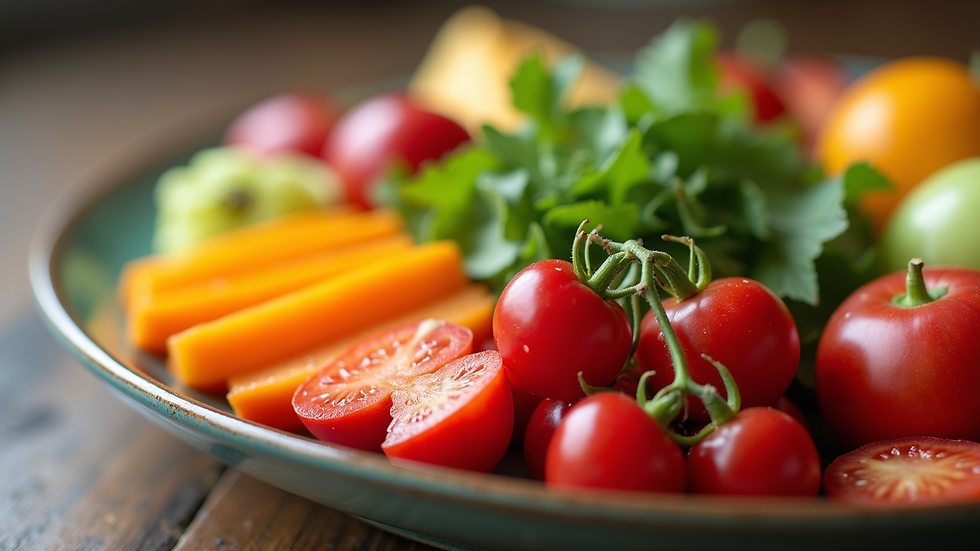
Understanding the Nutritional Needs of Aging Women
Aging women often face unique nutritional challenges. Hormonal changes, decreased metabolism, and increased risk of chronic diseases can all impact dietary needs. Here are some key factors to consider:
1. Caloric Needs Decrease
As women age, their caloric needs typically decrease due to a slower metabolism. This means it's essential to focus on nutrient-dense foods rather than empty calories. Aim for foods that provide vitamins, minerals, and other beneficial compounds without excessive calories.
2. Increased Protein Intake
Protein is vital for maintaining muscle mass, especially as women age. Incorporating high-quality protein sources into your diet can help preserve muscle and support overall health. Consider including:
Lean meats (chicken, turkey)
Fish (salmon, tuna)
Plant-based proteins (beans, lentils, tofu)
3. Healthy Fats Are Important
Healthy fats, such as those found in avocados, nuts, and olive oil, are essential for brain health and hormone production. Including these fats in moderation can support overall well-being.
4. Focus on Fiber
Fiber is crucial for digestive health and can help manage weight. Foods high in fiber, such as whole grains, fruits, and vegetables, can keep you feeling full and satisfied.
5. Stay Hydrated
As we age, our sense of thirst may diminish, leading to dehydration. It's important to drink plenty of water throughout the day. Aim for at least 8 cups of water daily, and consider incorporating hydrating foods like cucumbers and watermelon.
Essential Nutrients for Aging Women
Certain nutrients become increasingly important as women age. Here are some key nutrients to focus on:
1. Calcium and Vitamin D
These nutrients are vital for bone health. Women over 50 should aim for 1,200 mg of calcium and 800 IU of vitamin D daily. Good sources include:
Dairy products (milk, yogurt, cheese)
Leafy greens (kale, broccoli)
Fortified foods (orange juice, cereals)
2. B Vitamins
B vitamins, particularly B12 and B6, are essential for energy production and brain health. As absorption decreases with age, consider incorporating:
Whole grains
Eggs
Meat and fish
3. Antioxidants
Antioxidants help combat oxidative stress and inflammation, which can contribute to aging. Foods rich in antioxidants include:
Berries (blueberries, strawberries)
Dark chocolate
Nuts
Meal Planning Tips for Aging Women
Creating a balanced meal plan can help ensure you meet your nutritional needs. Here are some practical tips:
1. Plan Ahead
Set aside time each week to plan your meals. This can help you make healthier choices and avoid last-minute unhealthy options.
2. Incorporate Variety
Aim for a colorful plate filled with a variety of foods. Different colors often represent different nutrients, so a diverse diet can help you get all the vitamins and minerals you need.
3. Portion Control
As caloric needs decrease, it's essential to pay attention to portion sizes. Use smaller plates and bowls to help control portions and prevent overeating.
4. Healthy Snacks
Keep healthy snacks on hand to avoid unhealthy choices. Consider options like:
Greek yogurt with fruit
Hummus with carrot sticks
A handful of nuts
The Role of Physical Activity
Nutrition alone isn't enough for a healthy lifestyle. Regular physical activity is crucial for maintaining muscle mass, improving mood, and enhancing overall health. Here are some tips to incorporate exercise into your routine:
1. Strength Training
Incorporate strength training exercises at least twice a week. This can help build and maintain muscle mass, which naturally declines with age.
2. Cardiovascular Exercise
Aim for at least 150 minutes of moderate-intensity aerobic activity each week. This can include walking, swimming, or cycling.
3. Flexibility and Balance
Incorporate flexibility and balance exercises, such as yoga or tai chi, to improve mobility and reduce the risk of falls.
Mindful Eating Practices
Mindful eating can enhance your relationship with food and promote healthier choices. Here are some strategies to practice mindful eating:
1. Eat Slowly
Take your time during meals. Eating slowly allows your body to recognize when it's full, helping to prevent overeating.
2. Eliminate Distractions
Try to eat without distractions, such as television or smartphones. This can help you focus on your food and enjoy the experience.
3. Listen to Your Body
Pay attention to hunger and fullness cues. Eating when you're hungry and stopping when you're satisfied can help maintain a healthy weight.
Overcoming Common Challenges
Aging can bring about various challenges that may affect nutrition. Here are some common issues and tips to overcome them:
1. Loss of Appetite
If you experience a decreased appetite, try smaller, more frequent meals. Focus on nutrient-dense foods to ensure you're getting enough nutrients.
2. Difficulty Chewing or Swallowing
If you have dental issues or difficulty swallowing, consider softer foods or smoothies. Blending fruits and vegetables can create nutritious drinks that are easier to consume.
3. Limited Mobility
If mobility is an issue, consider meal delivery services or pre-prepared meals to ensure you have access to healthy options.
Conclusion
Transforming your body through nutrition is a powerful way for aging women to enhance their health and well-being. By focusing on nutrient-dense foods, staying active, and practicing mindful eating, you can navigate the challenges of aging with confidence. Remember, small changes can lead to significant improvements in your overall health. Start today by making one positive change to your diet or activity level, and watch as your body transforms for the better.
Comments